What Your Personal AI Digital Twin Can Do
What Your Personal AI Digital Twin Can Do
A personal AI digital twin functions as a persistent, memory-driven agent that retains context across meetings, sessions, and platforms, acting on a professional's behalf. Built on infrastructure like EverOS, powered by EverCore, these twins deliver sub-500ms retrieval and self-evolving skill memory.
EverMind研究人员
About 4 minutes to read

A personal AI digital twin functions as a persistent, memory-driven agent that retains context across meetings, sessions, and platforms, acting on a professional's behalf. Built on infrastructure like EverOS, powered by EverCore, these twins deliver sub-500ms retrieval and self-evolving skill memory,
Key Takeaways
• Personal AI Digital Twins create virtual replicas that handle administrative tasks while you focus on strategic work.
• Digital Twins use real-time data to accurately reflect behavior, performance, and conditions of their physical counterparts.
• Custom Language Models enable rapid retraining, ensuring AI Digital Twins remain accurate and maintain user privacy.
• Digital Twins monitor multiple functions simultaneously: calendar management, email drafting, and meeting scheduling without human intervention.
What Is a Personal AI Digital Twin?
A personal AI with memory turns a stateless AI system into an agent capable of remembering its user across time. Professionals lose hours re-explaining context every time a chatbot resets. A digital twin eliminates that repetition by holding onto history. Knowledge workers gain a system that behaves less like a search box. More like an assistant that never forgets a project detail.
Context persistence separates a working twin from a forgetful chatbot. A true digital twin maintains context across days, sessions, and even different platforms, rather than starting from zero with each new conversation.
How Does a Digital Twin Differ From a Static Profile?
A static profile stores fixed facts and stops there. A personal AI digital twin, by contrast, functions as a dynamic model that replicates a person's knowledge and evolves alongside them, updating as new meetings, notes, and decisions accumulate.
What Does a Digital Twin Actually Do?
At its core, the twin works on someone's behalf during moments when they cannot be present. Drafting a follow-up, tracking a decision, or surfacing a detail from weeks earlier.
Key traits worth noting:
• Remembers across sessions instead of resetting to zero
• Grows and updates continuously rather than staying fixed
• Acts on a person's behalf when they're unavailable
How Are Digital Twins Used Today?
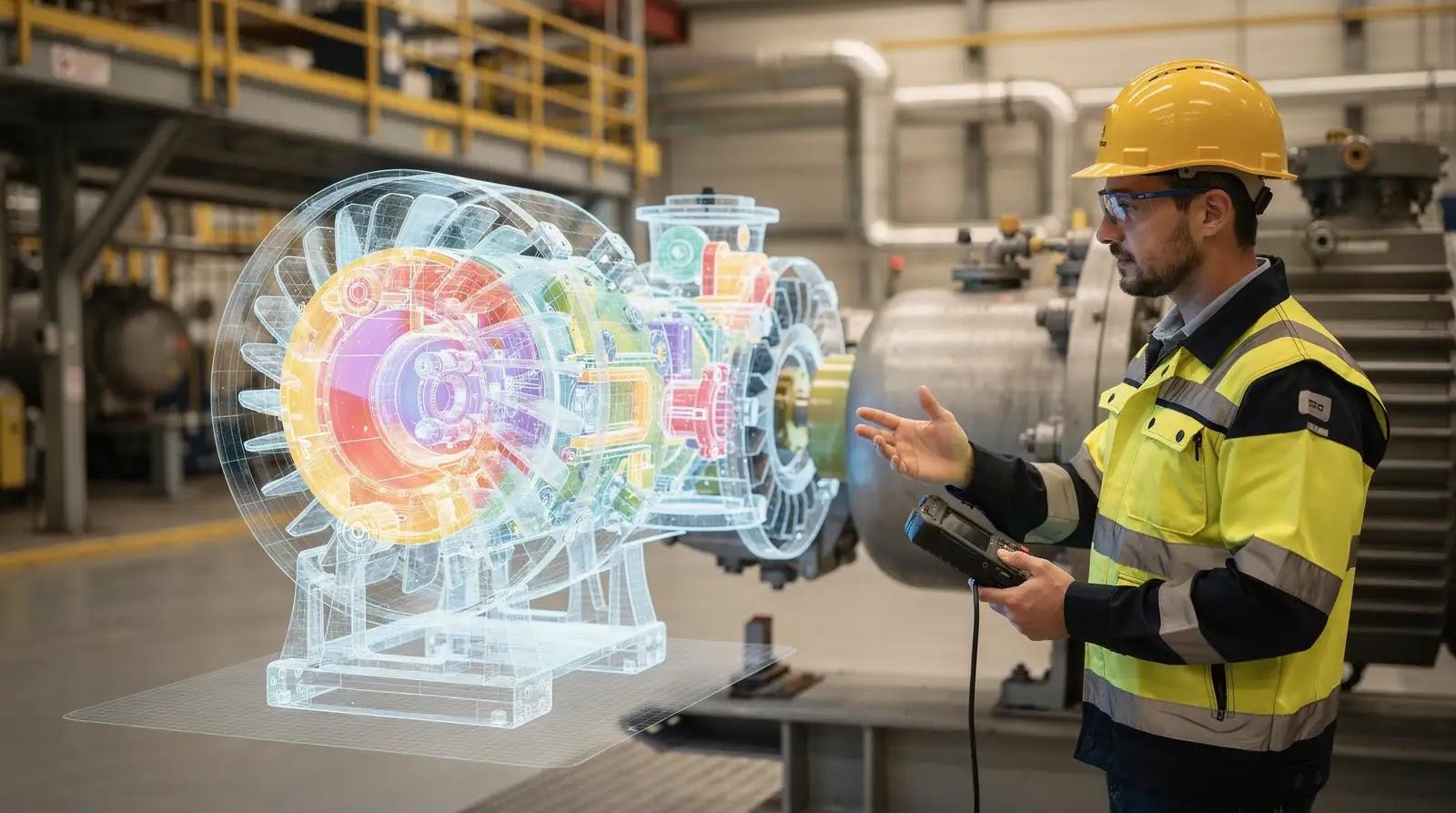
Three main use cases dominate current adoption: meeting management, content creation, and knowledge retention. Professionals rely on a Personal AI Digital Twin to handle scheduling. Answer routine questions, letting work continue even when someone steps away from the desk. Missing that coverage costs hours of back-and-forth email and delayed decisions each week.
Can a digital twin replace a personal assistant for meetings?
Not entirely, but it covers the repetitive parts. A digital twin manages calendar requests. Responds to common questions using information the person has already shared, freeing up time for higher-value work.
Does a digital twin actually know what I know?
Yes, within the scope of what it has been trained on. The system learns behavior patterns, tone, and preferences specific to one individual rather than applying generic responses, which amplifies that person's own expertise instead of replacing it.
Knowledge workers and creators use digital twins in three practical ways:
• Meeting support — drafting follow-ups and tracking action items
• Content creation — reusing notes and past writing in a consistent voice
• Knowledge retention — preserving context across teams and projects
Hierarchical extraction organizes scattered notes and meeting records into stable, reusable structures. This organization is what makes digital twins useful for knowledge management, not just quick replies.For team-level workflows, connect this toagent memory management.
What Makes an AI Twin Actually Remember?
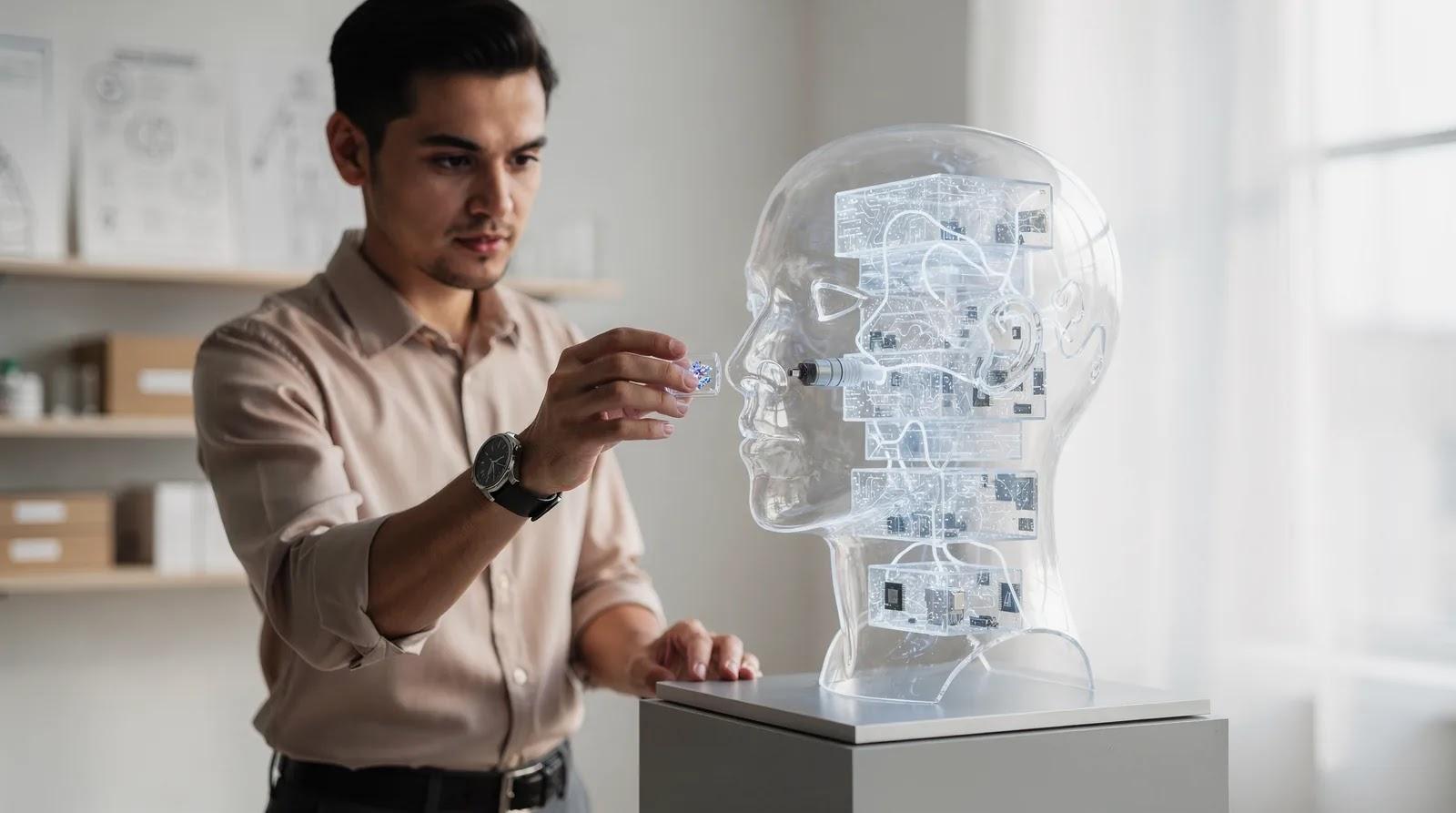
Genuine recall depends on architecture, not marketing language. A credible personal AI digital twin runs on a modular, four-layer agent memory framework designed to organize information into structured, lasting knowledge. This design lets the system organize raw conversations into stable semantic structures instead of just searching through old chat logs.
Numbers back up the claim. Memory-based reasoning scored a notable share overall accuracy on the LoCoMo benchmark. A notable share on LongMemEval, two tests built to measure long-term recall under realistic conditions. A separate HaluMem benchmark produced a a notable share recall score, showing how reliably the system pulls the correct facts about a person rather than guessing or hallucinating details.
Can a memory-based twin run on my own servers?
Yes. The memory engine ships as open source software for self-hosting, alongside a production-ready cloud version for teams that prefer a managed setup. Teams evaluating the product layer can start with EverOS.
Does the data stay portable, or does it get locked in?
Memories export as clean Markdown files. That format stays readable and version-controllable, so a knowledge worker's stored history never gets trapped inside a single vendor's proprietary system.
Capability | What It Solves |
|---|---|
Four-layer memory architecture | Structured recall vs. apartment search |
LoCoMo / LongMemEval scores | Verified long-term reasoning |
HaluMem recall | Fewer false or missing facts |
Open source + cloud options | Deployment flexibility |
Markdown export | No vendor lock-in |
A personal AI digital twin represents the convergence of self-evolving agent memory. Adaptive intelligence—a system that evolves alongside you, retaining what matters and learning from every interaction. Rather than starting fresh with each conversation, your digital twin builds a coherent understanding of your goals, preferences, and history, enabling genuinely personalized assistance over time. This shift from stateless to stateful AI fundamentally changes what's possible: agents that truly know you, support that compounds in value, and technology that grows more useful the longer you use it.
FAQ
What is a personal AI digital twin?
It is a persistent, memory-driven agent that retains context across meetings, sessions, and platforms, acting on a professional's behalf. It turns a stateless AI system into one that remembers its user over time.
How does a digital twin differ from a static profile?
A static profile stores fixed facts and stops there. A digital twin replicates a person's knowledge and evolves continuously, updating as new meetings, notes, and decisions accumulate.
How are digital twins used today?
Professionals use them for meeting support, content creation, and knowledge retention. They draft follow-ups, track action items, reuse past writing in a consistent voice, and preserve context across teams and projects.
A personal AI digital twin functions as a persistent, memory-driven agent that retains context across meetings, sessions, and platforms, acting on a professional's behalf. Built on infrastructure like EverOS, powered by EverCore, these twins deliver sub-500ms retrieval and self-evolving skill memory,
Key Takeaways
• Personal AI Digital Twins create virtual replicas that handle administrative tasks while you focus on strategic work.
• Digital Twins use real-time data to accurately reflect behavior, performance, and conditions of their physical counterparts.
• Custom Language Models enable rapid retraining, ensuring AI Digital Twins remain accurate and maintain user privacy.
• Digital Twins monitor multiple functions simultaneously: calendar management, email drafting, and meeting scheduling without human intervention.
What Is a Personal AI Digital Twin?
A personal AI with memory turns a stateless AI system into an agent capable of remembering its user across time. Professionals lose hours re-explaining context every time a chatbot resets. A digital twin eliminates that repetition by holding onto history. Knowledge workers gain a system that behaves less like a search box. More like an assistant that never forgets a project detail.
Context persistence separates a working twin from a forgetful chatbot. A true digital twin maintains context across days, sessions, and even different platforms, rather than starting from zero with each new conversation.
How Does a Digital Twin Differ From a Static Profile?
A static profile stores fixed facts and stops there. A personal AI digital twin, by contrast, functions as a dynamic model that replicates a person's knowledge and evolves alongside them, updating as new meetings, notes, and decisions accumulate.
What Does a Digital Twin Actually Do?
At its core, the twin works on someone's behalf during moments when they cannot be present. Drafting a follow-up, tracking a decision, or surfacing a detail from weeks earlier.
Key traits worth noting:
• Remembers across sessions instead of resetting to zero
• Grows and updates continuously rather than staying fixed
• Acts on a person's behalf when they're unavailable
How Are Digital Twins Used Today?
Three main use cases dominate current adoption: meeting management, content creation, and knowledge retention. Professionals rely on a Personal AI Digital Twin to handle scheduling. Answer routine questions, letting work continue even when someone steps away from the desk. Missing that coverage costs hours of back-and-forth email and delayed decisions each week.
Can a digital twin replace a personal assistant for meetings?
Not entirely, but it covers the repetitive parts. A digital twin manages calendar requests. Responds to common questions using information the person has already shared, freeing up time for higher-value work.
Does a digital twin actually know what I know?
Yes, within the scope of what it has been trained on. The system learns behavior patterns, tone, and preferences specific to one individual rather than applying generic responses, which amplifies that person's own expertise instead of replacing it.
Knowledge workers and creators use digital twins in three practical ways:
• Meeting support — drafting follow-ups and tracking action items
• Content creation — reusing notes and past writing in a consistent voice
• Knowledge retention — preserving context across teams and projects
Hierarchical extraction organizes scattered notes and meeting records into stable, reusable structures. This organization is what makes digital twins useful for knowledge management, not just quick replies.For team-level workflows, connect this toagent memory management.
What Makes an AI Twin Actually Remember?
Genuine recall depends on architecture, not marketing language. A credible personal AI digital twin runs on a modular, four-layer agent memory framework designed to organize information into structured, lasting knowledge. This design lets the system organize raw conversations into stable semantic structures instead of just searching through old chat logs.
Numbers back up the claim. Memory-based reasoning scored a notable share overall accuracy on the LoCoMo benchmark. A notable share on LongMemEval, two tests built to measure long-term recall under realistic conditions. A separate HaluMem benchmark produced a a notable share recall score, showing how reliably the system pulls the correct facts about a person rather than guessing or hallucinating details.
Can a memory-based twin run on my own servers?
Yes. The memory engine ships as open source software for self-hosting, alongside a production-ready cloud version for teams that prefer a managed setup. Teams evaluating the product layer can start with EverOS.
Does the data stay portable, or does it get locked in?
Memories export as clean Markdown files. That format stays readable and version-controllable, so a knowledge worker's stored history never gets trapped inside a single vendor's proprietary system.
Capability | What It Solves |
|---|---|
Four-layer memory architecture | Structured recall vs. apartment search |
LoCoMo / LongMemEval scores | Verified long-term reasoning |
HaluMem recall | Fewer false or missing facts |
Open source + cloud options | Deployment flexibility |
Markdown export | No vendor lock-in |
A personal AI digital twin represents the convergence of self-evolving agent memory. Adaptive intelligence—a system that evolves alongside you, retaining what matters and learning from every interaction. Rather than starting fresh with each conversation, your digital twin builds a coherent understanding of your goals, preferences, and history, enabling genuinely personalized assistance over time. This shift from stateless to stateful AI fundamentally changes what's possible: agents that truly know you, support that compounds in value, and technology that grows more useful the longer you use it.
FAQ
What is a personal AI digital twin?
It is a persistent, memory-driven agent that retains context across meetings, sessions, and platforms, acting on a professional's behalf. It turns a stateless AI system into one that remembers its user over time.
How does a digital twin differ from a static profile?
A static profile stores fixed facts and stops there. A digital twin replicates a person's knowledge and evolves continuously, updating as new meetings, notes, and decisions accumulate.
How are digital twins used today?
Professionals use them for meeting support, content creation, and knowledge retention. They draft follow-ups, track action items, reuse past writing in a consistent voice, and preserve context across teams and projects.
您可能还喜欢这些
相关

Multi-round retrieval: letting the model decide when to stop searching
multi-round retrieval,agentic retrieval,fixed top-k,injection budget,core selection,EverOS,agent memory,LoCoMo,LongMemEval,EverMemBench,SubtleMemory,multi-hop retrieval,retrieval accuracy,prompt token cost

Do public SKILL.md files actually make agents better?
SkillCorpus,SKILL.md,agent skills,skill curation,skill retrieval,LLM agents,SkillsBench,GDPVal,agent harness

CRAFT: learning how to fuse video tokens, not just which to drop
CRAFT,video token compression,vision-language models,video VLM,KV cache,prefill cost,token merging,token pruning,temporal reasoning

Self-evolving agents have a measurement problem
self-evolving agents,agent harness,HarnessBank,credit assignment,LLM agents,agent evaluation,harness optimization,significance testing
What Your Personal AI Digital Twin Can Do
A personal AI digital twin functions as a persistent, memory-driven agent that retains context across meetings, sessions, and platforms, acting on a professional's behalf. Built on infrastructure like EverOS, powered by EverCore, these twins deliver sub-500ms retrieval and self-evolving skill memory.
EverMind研究人员
About 4 minutes to read