Agent Memory in AI: How AI Agent Memory Management Enhances Contextual and Persistent AI Systems
Agent Memory in AI: How AI Agent Memory Management Enhances Contextual and Persistent AI Systems
This article will explore the concept of agent memory, its importance in AI, and how it can improve overall AI performance. Additionally, we will discuss the architecture that supports these memory systems and the various business applications of agent memory, particularly in enhancing productivity and service delivery. Finally, we will examine Evermind AI's proprietary operating system, EverOS, which is designed to optimize agent memory functionalities for enterprise applications.
EverMind researchers
About 4 minutes to read

Agent memory is a crucial aspect of artificial intelligence (AI) that significantly enhances the performance and capabilities of AI systems. By enabling AI agents to retain and utilize information over time, agent memory facilitates more contextual and persistent interactions. This article will explore the concept of agent memory, its importance in AI, and how it can improve overall AI performance. Additionally, we will discuss the architecture that supports these memory systems and the various business applications of agent memory, particularly in enhancing productivity and service delivery. Finally, we will examine Evermind AI's proprietary operating system, EverOS, which is designed to optimize agent memory functionalities for enterprise applications.
What is Agent Memory and Why Does It Matter in AI?
Agent memory refers to the ability of AI systems to store, recall, and utilize information over time, allowing for more intelligent and context-aware interactions. This capability is essential for improving AI agent performance, as it enables agents to learn from past experiences and adapt their responses accordingly. The significance of agent memory lies in its potential to enhance user experiences, streamline processes, and improve decision-making in various applications.
Defining AI Agent Memory and Its Core Concepts
AI agent memory encompasses several core concepts, including contextual memory, which allows agents to understand the context of interactions, and persistent memory, which enables long-term information retention. These concepts work together to create a more robust AI system capable of providing personalized and relevant responses based on historical data and user interactions. For instance, a financial advisory AI can remember a client's preferences and past interactions, leading to more tailored advice.
How Contextual and Persistent Memory Improve AI Agent Performance
The integration of contextual and persistent memory significantly enhances AI agent performance. Contextual memory allows agents to interpret user queries in light of previous interactions, leading to more accurate and relevant responses. Persistent memory, on the other hand, ensures that agents can retain critical information over time, which is vital for tasks that require continuity, such as project management or customer relationship management. Together, these memory types contribute to improved efficiency, user satisfaction, and overall effectiveness of AI systems.
Indeed, the evolution towards AI-native memory is fundamentally transforming AI systems into more persistent and context-aware agents.
How Does AI Memory Architecture Support Persistent and Contextual Memory Systems?
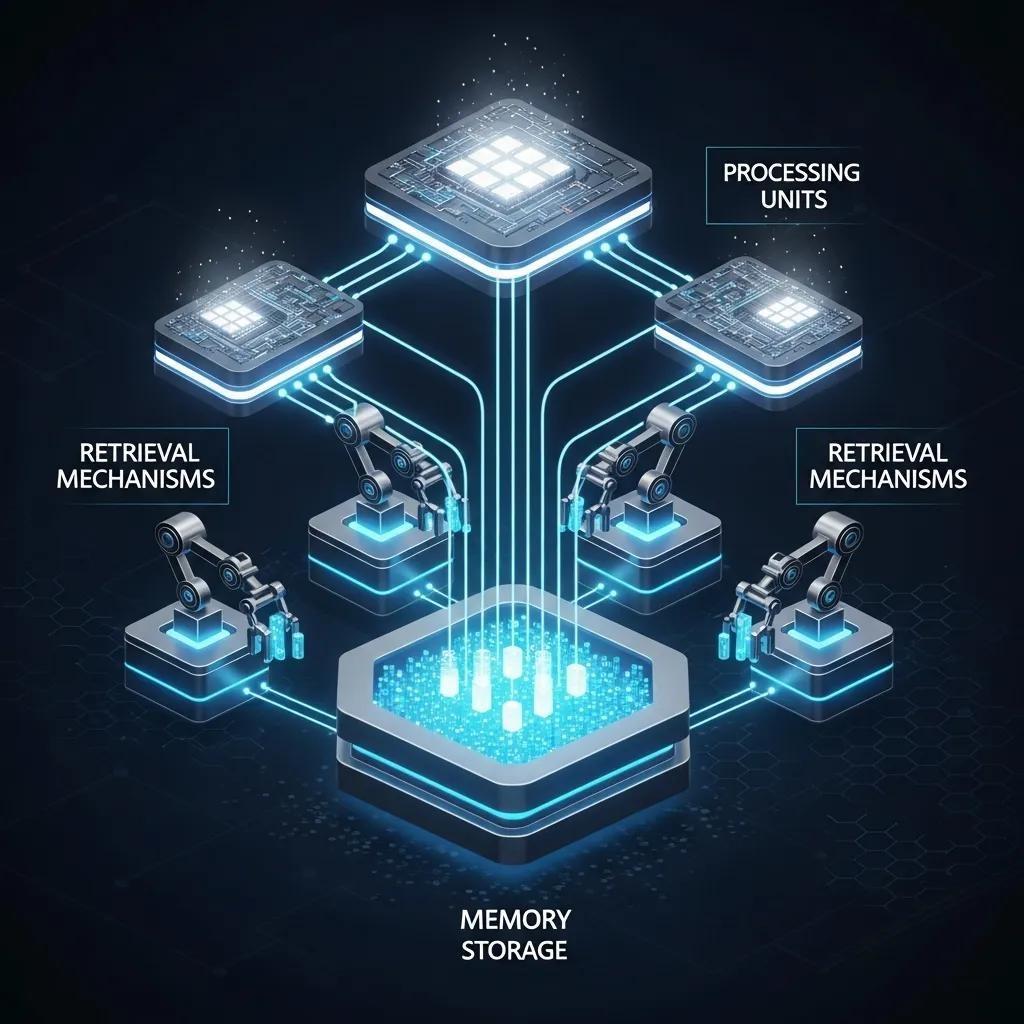
The architecture of AI memory systems plays a pivotal role in supporting both persistent and contextual memory. This architecture comprises various components that work together to facilitate efficient memory management and retrieval.
Key Components of AI Memory Architecture in Agent Systems
Key components of AI memory architecture include memory storage systems, retrieval mechanisms, and processing units. Memory storage systems are responsible for retaining information, while retrieval mechanisms ensure that relevant data can be accessed quickly when needed. Processing units analyze incoming data and determine how it should be stored or retrieved, enabling the AI agent to function effectively in real-time scenarios.
To address these architectural challenges and enhance memory management, innovative approaches like hierarchical memory systems are being developed.
Memory Optimization Techniques for Efficient AI Agent Memory Management
To enhance the efficiency of AI agent memory management, several optimization techniques can be employed. These techniques include data compression, which reduces the amount of memory required to store information, and indexing, which allows for faster retrieval of relevant data. Additionally, machine learning algorithms can be utilized to improve the accuracy of memory retrieval, ensuring that AI agents can provide timely and contextually appropriate responses.
Beyond software-based optimizations, the increasing complexity of AI models also necessitates a hardware-software co-design approach for efficient long-context memory management.
What Are the Business Applications of Agent Memory in AI?
Agent memory has numerous applications across various industries, particularly in enhancing productivity and service delivery. By leveraging memory capabilities, businesses can improve their operational efficiency and customer engagement.
Enhancing Financial Advisory Services with Persistent AI Memory
In the financial sector, persistent AI memory can significantly enhance advisory services. AI agents equipped with memory capabilities can track client interactions, preferences, and financial goals over time. This allows them to provide personalized advice and recommendations, ultimately leading to better client satisfaction and retention. For example, an AI financial advisor can remember a client's investment history and suggest tailored investment strategies based on their risk tolerance and market conditions.
Improving Enterprise Productivity through Contextual AI Memory Systems
Contextual AI memory systems can also improve productivity within enterprises. By enabling AI agents to recall past interactions and understand the context of ongoing tasks, businesses can streamline workflows and reduce the time spent on repetitive tasks. For instance, an AI assistant in a corporate environment can remember project details and deadlines, helping teams stay organized and focused on their objectives.
How Does EverOS Enable Advanced Agent Memory Capabilities?
Evermind AI's EverOS is designed to enhance agent memory capabilities, providing businesses with a powerful tool for optimizing their AI applications. This proprietary operating system incorporates advanced memory functionalities that support both contextual and persistent memory systems.
Features of EverOS for Scalable and Context-Aware AI Memory
EverOS offers several key features that facilitate scalable and context-aware AI memory. These include a flexible memory architecture that can adapt to various business needs, context-aware knowledge retention that allows agents to understand user intent better, and scalable memory solutions that can grow with the organization. This flexibility ensures that businesses can leverage AI memory effectively, regardless of their size or industry.
Benefits of Using EverOS for AI Agent Memory Management in Business
Utilizing EverOS for AI agent memory management provides numerous benefits for businesses. By enhancing the memory capabilities of AI agents, organizations can improve decision-making processes, increase operational efficiency, and deliver more personalized customer experiences. Furthermore, the tailored solutions offered by Evermind AI enable businesses to implement AI-driven productivity improvements that align with their specific goals and challenges.
Agent memory is a crucial aspect of artificial intelligence (AI) that significantly enhances the performance and capabilities of AI systems. By enabling AI agents to retain and utilize information over time, agent memory facilitates more contextual and persistent interactions. This article will explore the concept of agent memory, its importance in AI, and how it can improve overall AI performance. Additionally, we will discuss the architecture that supports these memory systems and the various business applications of agent memory, particularly in enhancing productivity and service delivery. Finally, we will examine Evermind AI's proprietary operating system, EverOS, which is designed to optimize agent memory functionalities for enterprise applications.
What is Agent Memory and Why Does It Matter in AI?
Agent memory refers to the ability of AI systems to store, recall, and utilize information over time, allowing for more intelligent and context-aware interactions. This capability is essential for improving AI agent performance, as it enables agents to learn from past experiences and adapt their responses accordingly. The significance of agent memory lies in its potential to enhance user experiences, streamline processes, and improve decision-making in various applications.
Defining AI Agent Memory and Its Core Concepts
AI agent memory encompasses several core concepts, including contextual memory, which allows agents to understand the context of interactions, and persistent memory, which enables long-term information retention. These concepts work together to create a more robust AI system capable of providing personalized and relevant responses based on historical data and user interactions. For instance, a financial advisory AI can remember a client's preferences and past interactions, leading to more tailored advice.
How Contextual and Persistent Memory Improve AI Agent Performance
The integration of contextual and persistent memory significantly enhances AI agent performance. Contextual memory allows agents to interpret user queries in light of previous interactions, leading to more accurate and relevant responses. Persistent memory, on the other hand, ensures that agents can retain critical information over time, which is vital for tasks that require continuity, such as project management or customer relationship management. Together, these memory types contribute to improved efficiency, user satisfaction, and overall effectiveness of AI systems.
Indeed, the evolution towards AI-native memory is fundamentally transforming AI systems into more persistent and context-aware agents.
How Does AI Memory Architecture Support Persistent and Contextual Memory Systems?
The architecture of AI memory systems plays a pivotal role in supporting both persistent and contextual memory. This architecture comprises various components that work together to facilitate efficient memory management and retrieval.
Key Components of AI Memory Architecture in Agent Systems
Key components of AI memory architecture include memory storage systems, retrieval mechanisms, and processing units. Memory storage systems are responsible for retaining information, while retrieval mechanisms ensure that relevant data can be accessed quickly when needed. Processing units analyze incoming data and determine how it should be stored or retrieved, enabling the AI agent to function effectively in real-time scenarios.
To address these architectural challenges and enhance memory management, innovative approaches like hierarchical memory systems are being developed.
Memory Optimization Techniques for Efficient AI Agent Memory Management
To enhance the efficiency of AI agent memory management, several optimization techniques can be employed. These techniques include data compression, which reduces the amount of memory required to store information, and indexing, which allows for faster retrieval of relevant data. Additionally, machine learning algorithms can be utilized to improve the accuracy of memory retrieval, ensuring that AI agents can provide timely and contextually appropriate responses.
Beyond software-based optimizations, the increasing complexity of AI models also necessitates a hardware-software co-design approach for efficient long-context memory management.
What Are the Business Applications of Agent Memory in AI?
Agent memory has numerous applications across various industries, particularly in enhancing productivity and service delivery. By leveraging memory capabilities, businesses can improve their operational efficiency and customer engagement.
Enhancing Financial Advisory Services with Persistent AI Memory
In the financial sector, persistent AI memory can significantly enhance advisory services. AI agents equipped with memory capabilities can track client interactions, preferences, and financial goals over time. This allows them to provide personalized advice and recommendations, ultimately leading to better client satisfaction and retention. For example, an AI financial advisor can remember a client's investment history and suggest tailored investment strategies based on their risk tolerance and market conditions.
Improving Enterprise Productivity through Contextual AI Memory Systems
Contextual AI memory systems can also improve productivity within enterprises. By enabling AI agents to recall past interactions and understand the context of ongoing tasks, businesses can streamline workflows and reduce the time spent on repetitive tasks. For instance, an AI assistant in a corporate environment can remember project details and deadlines, helping teams stay organized and focused on their objectives.
How Does EverOS Enable Advanced Agent Memory Capabilities?
Evermind AI's EverOS is designed to enhance agent memory capabilities, providing businesses with a powerful tool for optimizing their AI applications. This proprietary operating system incorporates advanced memory functionalities that support both contextual and persistent memory systems.
Features of EverOS for Scalable and Context-Aware AI Memory
EverOS offers several key features that facilitate scalable and context-aware AI memory. These include a flexible memory architecture that can adapt to various business needs, context-aware knowledge retention that allows agents to understand user intent better, and scalable memory solutions that can grow with the organization. This flexibility ensures that businesses can leverage AI memory effectively, regardless of their size or industry.
Benefits of Using EverOS for AI Agent Memory Management in Business
Utilizing EverOS for AI agent memory management provides numerous benefits for businesses. By enhancing the memory capabilities of AI agents, organizations can improve decision-making processes, increase operational efficiency, and deliver more personalized customer experiences. Furthermore, the tailored solutions offered by Evermind AI enable businesses to implement AI-driven productivity improvements that align with their specific goals and challenges.
You may also like these
Related

Multi-round retrieval: letting the model decide when to stop searching
multi-round retrieval,agentic retrieval,fixed top-k,injection budget,core selection,EverOS,agent memory,LoCoMo,LongMemEval,EverMemBench,SubtleMemory,multi-hop retrieval,retrieval accuracy,prompt token cost

Do public SKILL.md files actually make agents better?
SkillCorpus,SKILL.md,agent skills,skill curation,skill retrieval,LLM agents,SkillsBench,GDPVal,agent harness

CRAFT: learning how to fuse video tokens, not just which to drop
CRAFT,video token compression,vision-language models,video VLM,KV cache,prefill cost,token merging,token pruning,temporal reasoning

Self-evolving agents have a measurement problem
self-evolving agents,agent harness,HarnessBank,credit assignment,LLM agents,agent evaluation,harness optimization,significance testing
Agent Memory in AI: How AI Agent Memory Management Enhances Contextual and Persistent AI Systems
This article will explore the concept of agent memory, its importance in AI, and how it can improve overall AI performance. Additionally, we will discuss the architecture that supports these memory systems and the various business applications of agent memory, particularly in enhancing productivity and service delivery. Finally, we will examine Evermind AI's proprietary operating system, EverOS, which is designed to optimize agent memory functionalities for enterprise applications.
EverMind researchers
About 4 minutes to read
EverMind
A straightforward solution to long-term coherence
Scan to join the community

Discord


© 2026 EverMind Team.
EverMind
A straightforward solution to long-term coherence
Scan to join the community
Discord
© 2026 EverMind Team.
EverMind
A straightforward solution to long-term coherence
Scan to join the community
Discord
© 2026 EverMind Team.