How to Build an AI Twin That Actually Remembers You
How to Build an AI Twin That Actually Remembers You
Memory-persistent AI twins require pairing a trained avatar—like Captions' Mirage Avatar X, built from a short recording for under $30—with a continuously updated knowledge base of your conversations, preferences, and past interactions, ensuring recall rather than one-off cloning of just face and voice.
EverMind researchers
About 5 minutes to read

Persistent memory architecture, like Mem0's vector-based recall
Memory-persistent AI twins require pairing a trained avatar—like Captions' Mirage Avatar X, built from a short recording for under $30—with a continuously updated knowledge base of your conversations, preferences, and past interactions, ensuring recall rather than one-off cloning of just face and voice.
Persistent memory infrastructure, not clever prompting, makes an AI twin remember. Builders pair a language model with EverMemOS, the memory operating system built on EverCore
Key Takeaways
• Build a functional AI twin for under $30 using short video recordings and avatar generation platforms.
• Realistic AI twins capture your face, voice, and natural movement patterns instead of generic placeholder avatars.
• Captions generates personalized AI twins from brief recordings that replicate your specific behaviors and vocal characteristics.
• AI twins eliminate camera anxiety by enabling on-demand video creation without repeated recording sessions.
What Do You Need to Build an AI Twin?
Two components make a believable AI twin: a likeness layer for face and voice, and a memory layer that carries context between sessions. Neither piece works alone. A twin that looks real but forgets yesterday's conversation breaks the illusion; both memory and a convincing avatar are essential.
What does the likeness layer require?
Most avatar generators need only a short recording of a face and voice. From that clip, the tool maps behaviors and speech patterns, producing a digital double recognizable to friends and colleagues. This step covers appearance, not memory.
Why does a twin need memory at all?
Today's AI agents stay stateless by default, resetting after each session. That gap is exactly why a long-term memory AI layer matters. Builders assembling a twin generally need:
• A short video or audio sample for avatar training.
• A personal AI assistant with memory framework to store facts, preferences, and past exchanges.
• An AI memory architecture capable of holding context across days, sessions, and platforms.
Skip the third piece, and the result is a puppet with a face but no past — technically an AI digital twin, functionally a stranger.
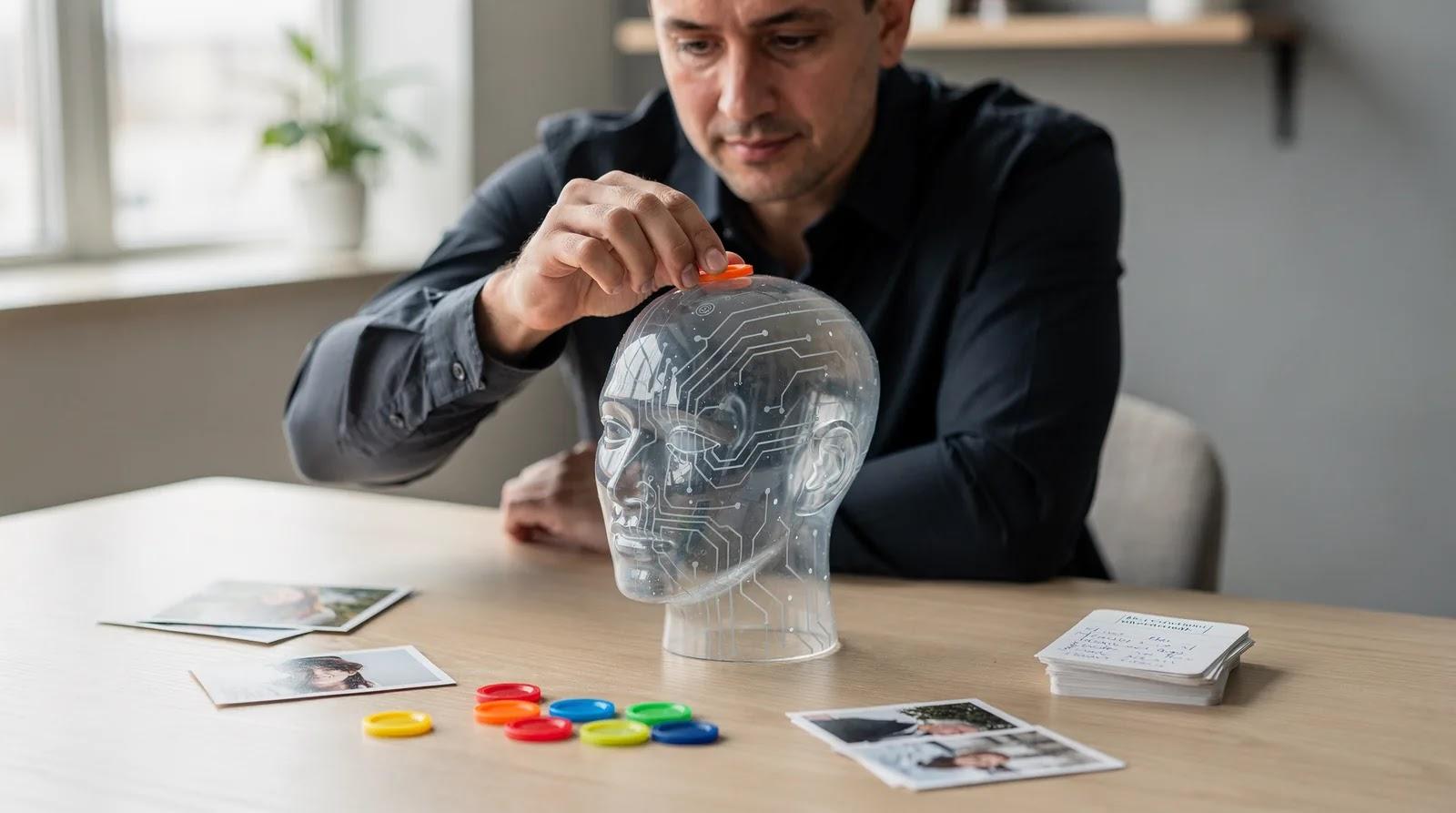
How Do You Give Your AI Twin Real Memory?
Five deliberate steps separate a talking avatar from a true AI twin that remembers you. Skipping any one of them leaves builders with a puppet that forgets everything the moment a session ends, wasting hours re-explaining context that should already be stored.
• Build the likeness layer first. An AI digital twin needs an avatar model trained on real facial movement, voice tone, and gesture — not a generic template stitched together with lip-sync tricks.
• Attach a memory operating system. A dedicated AI memory architecture drops into the existing agent loop without demanding new infrastructure, so the twin carries context forward instead of resetting each time. A practical starting point is EverOS.
• Turn on self-evolving agent memory. Every completed task becomes a stored case; repeated successes self-promote into reusable skills automatically, with no manual rule-writing required.
• Integrate with existing tools. Compatibility with platforms like Claude Code, Codex, OpenClaw, Hermes, and MCP-based agents means builders keep their current workflow intact while gaining persistent memory.
• Export memory in an open format. Clean, readable Markdown output keeps a twin's knowledge portable and version-controllable, never locked inside one closed system.
What Makes This Different From a Regular Chatbot Memory?
Standard chatbot memory usually lives inside one app and vanishes when a session closes. A properly layered personal AI with memory persists across platforms. Sessions, functioning more like durable long-term memory AI than a temporary cache.
Do Builders Need Coding Skills to Set This Up?
Basic familiarity with agent tools helps, but the process resembles configuration more than software engineering. Anyone learning how to build an agent memory framework. Open export formats can assemble a working personal knowledge AI without writing a memory system from scratch.
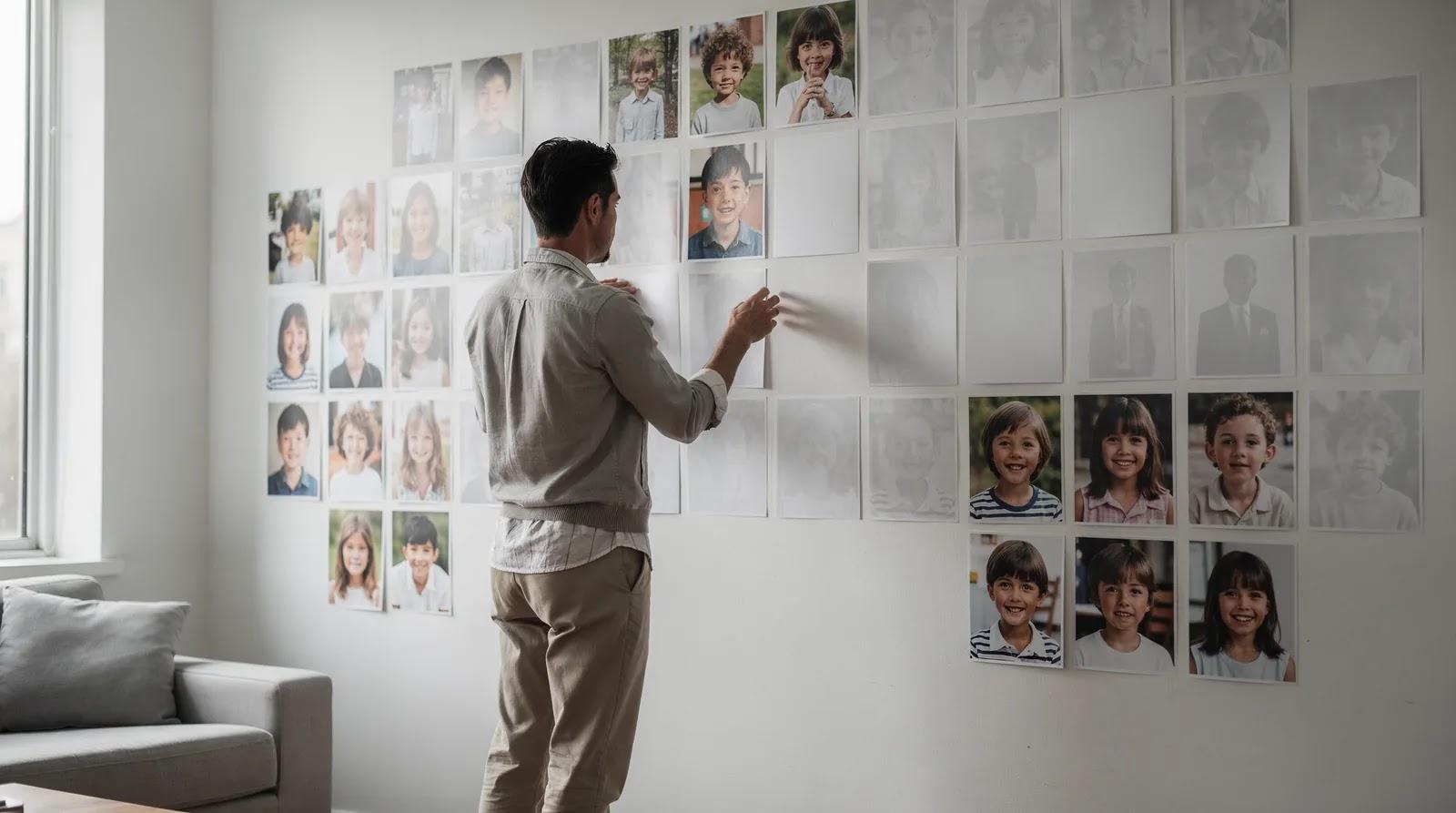
Why Does an AI Twin Forget You Over Time?
Memory decay traces back to structural gaps, not a lack of effort from the system. Four causes explain most breakdowns builders encounter when a personal AI assistant with memory stops feeling personal.
Older details often vanish because the system stores facts apartment, without layers. Without hierarchical organization, an assistant buries earlier context instead of surfacing it when relevant. A second cause sits in the context window itself: fixed limits force the model to drop earlier conversation details as new input arrives, even when those details matter.
Does letting an AI edit its own memory cause problems?
Self-editing memory sounds efficient, but it introduces unpredictability once a project moves from prototype to real use. Builders lose confidence when the same input produces different recalled facts across sessions.
Why does a slow AI twin feel forgetful even with data stored?
Speed matters as much as storage for long-term memory AI. Retrieval that lags makes persistent memory feel broken, even when the correct data sits in the system waiting to be found.
Building an AI twin that genuinely remembers you requires moving beyond stateless interactions toward persistent, evolving memory infrastructure. The foundation lies in treating memory as a lifecycle—consolidating experiences into coherent patterns rather than drowning in raw context. When your AI assistant maintains organized, updatable knowledge of your preferences, history, and goals, it transcends the limitations of today's forgetful systems. The result: an agent that grows with you, delivers consistent personalization, and transforms how you work with artificial intelligence.
FAQ
What two components does a memory-persistent AI twin require?
A likeness layer that captures face, voice, and movement, plus a memory layer that carries context between sessions. Neither piece works alone—looks without memory or memory without a convincing avatar both break the illusion.
What happens if you skip the memory architecture step?
The result is a puppet with a face but no past — technically an AI digital twin, functionally a stranger. It resets after each session instead of carrying facts, preferences, and past exchanges forward.
How does the memory system stay compatible with existing tools?
It integrates with platforms like Claude Code, Codex, OpenClaw, Hermes, and MCP-based agents, dropping into the existing agent loop without new infrastructure. Memory also exports in open, readable Markdown, keeping it portable and version-controllable.
Persistent memory architecture, like Mem0's vector-based recall
Memory-persistent AI twins require pairing a trained avatar—like Captions' Mirage Avatar X, built from a short recording for under $30—with a continuously updated knowledge base of your conversations, preferences, and past interactions, ensuring recall rather than one-off cloning of just face and voice.
Persistent memory infrastructure, not clever prompting, makes an AI twin remember. Builders pair a language model with EverMemOS, the memory operating system built on EverCore
Key Takeaways
• Build a functional AI twin for under $30 using short video recordings and avatar generation platforms.
• Realistic AI twins capture your face, voice, and natural movement patterns instead of generic placeholder avatars.
• Captions generates personalized AI twins from brief recordings that replicate your specific behaviors and vocal characteristics.
• AI twins eliminate camera anxiety by enabling on-demand video creation without repeated recording sessions.
What Do You Need to Build an AI Twin?
Two components make a believable AI twin: a likeness layer for face and voice, and a memory layer that carries context between sessions. Neither piece works alone. A twin that looks real but forgets yesterday's conversation breaks the illusion; both memory and a convincing avatar are essential.
What does the likeness layer require?
Most avatar generators need only a short recording of a face and voice. From that clip, the tool maps behaviors and speech patterns, producing a digital double recognizable to friends and colleagues. This step covers appearance, not memory.
Why does a twin need memory at all?
Today's AI agents stay stateless by default, resetting after each session. That gap is exactly why a long-term memory AI layer matters. Builders assembling a twin generally need:
• A short video or audio sample for avatar training.
• A personal AI assistant with memory framework to store facts, preferences, and past exchanges.
• An AI memory architecture capable of holding context across days, sessions, and platforms.
Skip the third piece, and the result is a puppet with a face but no past — technically an AI digital twin, functionally a stranger.
How Do You Give Your AI Twin Real Memory?
Five deliberate steps separate a talking avatar from a true AI twin that remembers you. Skipping any one of them leaves builders with a puppet that forgets everything the moment a session ends, wasting hours re-explaining context that should already be stored.
• Build the likeness layer first. An AI digital twin needs an avatar model trained on real facial movement, voice tone, and gesture — not a generic template stitched together with lip-sync tricks.
• Attach a memory operating system. A dedicated AI memory architecture drops into the existing agent loop without demanding new infrastructure, so the twin carries context forward instead of resetting each time. A practical starting point is EverOS.
• Turn on self-evolving agent memory. Every completed task becomes a stored case; repeated successes self-promote into reusable skills automatically, with no manual rule-writing required.
• Integrate with existing tools. Compatibility with platforms like Claude Code, Codex, OpenClaw, Hermes, and MCP-based agents means builders keep their current workflow intact while gaining persistent memory.
• Export memory in an open format. Clean, readable Markdown output keeps a twin's knowledge portable and version-controllable, never locked inside one closed system.
What Makes This Different From a Regular Chatbot Memory?
Standard chatbot memory usually lives inside one app and vanishes when a session closes. A properly layered personal AI with memory persists across platforms. Sessions, functioning more like durable long-term memory AI than a temporary cache.
Do Builders Need Coding Skills to Set This Up?
Basic familiarity with agent tools helps, but the process resembles configuration more than software engineering. Anyone learning how to build an agent memory framework. Open export formats can assemble a working personal knowledge AI without writing a memory system from scratch.
Why Does an AI Twin Forget You Over Time?
Memory decay traces back to structural gaps, not a lack of effort from the system. Four causes explain most breakdowns builders encounter when a personal AI assistant with memory stops feeling personal.
Older details often vanish because the system stores facts apartment, without layers. Without hierarchical organization, an assistant buries earlier context instead of surfacing it when relevant. A second cause sits in the context window itself: fixed limits force the model to drop earlier conversation details as new input arrives, even when those details matter.
Does letting an AI edit its own memory cause problems?
Self-editing memory sounds efficient, but it introduces unpredictability once a project moves from prototype to real use. Builders lose confidence when the same input produces different recalled facts across sessions.
Why does a slow AI twin feel forgetful even with data stored?
Speed matters as much as storage for long-term memory AI. Retrieval that lags makes persistent memory feel broken, even when the correct data sits in the system waiting to be found.
Building an AI twin that genuinely remembers you requires moving beyond stateless interactions toward persistent, evolving memory infrastructure. The foundation lies in treating memory as a lifecycle—consolidating experiences into coherent patterns rather than drowning in raw context. When your AI assistant maintains organized, updatable knowledge of your preferences, history, and goals, it transcends the limitations of today's forgetful systems. The result: an agent that grows with you, delivers consistent personalization, and transforms how you work with artificial intelligence.
FAQ
What two components does a memory-persistent AI twin require?
A likeness layer that captures face, voice, and movement, plus a memory layer that carries context between sessions. Neither piece works alone—looks without memory or memory without a convincing avatar both break the illusion.
What happens if you skip the memory architecture step?
The result is a puppet with a face but no past — technically an AI digital twin, functionally a stranger. It resets after each session instead of carrying facts, preferences, and past exchanges forward.
How does the memory system stay compatible with existing tools?
It integrates with platforms like Claude Code, Codex, OpenClaw, Hermes, and MCP-based agents, dropping into the existing agent loop without new infrastructure. Memory also exports in open, readable Markdown, keeping it portable and version-controllable.
You may also like these
Related

Multi-round retrieval: letting the model decide when to stop searching
multi-round retrieval,agentic retrieval,fixed top-k,injection budget,core selection,EverOS,agent memory,LoCoMo,LongMemEval,EverMemBench,SubtleMemory,multi-hop retrieval,retrieval accuracy,prompt token cost

Do public SKILL.md files actually make agents better?
SkillCorpus,SKILL.md,agent skills,skill curation,skill retrieval,LLM agents,SkillsBench,GDPVal,agent harness

CRAFT: learning how to fuse video tokens, not just which to drop
CRAFT,video token compression,vision-language models,video VLM,KV cache,prefill cost,token merging,token pruning,temporal reasoning

Self-evolving agents have a measurement problem
self-evolving agents,agent harness,HarnessBank,credit assignment,LLM agents,agent evaluation,harness optimization,significance testing
How to Build an AI Twin That Actually Remembers You
Memory-persistent AI twins require pairing a trained avatar—like Captions' Mirage Avatar X, built from a short recording for under $30—with a continuously updated knowledge base of your conversations, preferences, and past interactions, ensuring recall rather than one-off cloning of just face and voice.
EverMind researchers
About 5 minutes to read
EverMind
A straightforward solution to long-term coherence
Scan to join the community

Discord

© 2026 EverMind Team.
EverMind
A straightforward solution to long-term coherence
Scan to join the community
Discord
© 2026 EverMind Team.
EverMind
A straightforward solution to long-term coherence
Scan to join the community
Discord
© 2026 EverMind Team.