How Personalized AI Assistants Remember My Preferences to Enhance Productivity
How Personalized AI Assistants Remember My Preferences to Enhance Productivity
This article delves into how AI remembers preferences, the technology behind it, and the significant benefits it offers, particularly for professionals like financial advisors.
EverMind researchers
About 3 minutes to read

In an era where efficiency is paramount, personalized AI assistants have emerged as vital tools for enhancing productivity. These intelligent systems leverage advanced algorithms to remember user preferences, allowing for tailored experiences that adapt to individual needs. This article delves into how AI remembers preferences, the technology behind it, and the significant benefits it offers, particularly for professionals like financial advisors. By understanding the mechanisms of AI user preference learning, we can appreciate how these systems not only streamline workflows but also foster a more productive environment. We will explore the role of adaptive AI technology, the features of EverOS, and the importance of privacy in this context.
What Is AI User Preference Learning and How Does It Work?
AI user preference learning refers to the process by which artificial intelligence systems gather and analyze data about user behaviors and choices to create personalized experiences. This technology works by employing machine learning algorithms that identify patterns in user interactions, enabling the AI to predict future preferences and tailor responses accordingly. The result is a more intuitive and efficient user experience, as the AI can anticipate needs and streamline tasks.
How Adaptive AI Technology Models User Behavior

Adaptive AI technology utilizes various techniques, such as reinforcement learning and neural networks, to model user behavior effectively. By analyzing past interactions, these systems can adjust their responses and recommendations, enhancing user satisfaction. For instance, if a user frequently opts for specific types of content or services, the AI will prioritize similar options in future interactions, creating a seamless experience.
Research further supports the effectiveness of AI in creating highly personalized and adaptive user experiences.
What Role Do AI Memory Systems Play in Personalization?
AI memory systems are crucial for personalization as they store and retrieve user data efficiently. These systems enhance the user experience by ensuring that the AI can recall previous interactions, preferences, and feedback. This capability allows for a more coherent and context-aware interaction, making the AI assistant feel more like a personalized companion rather than a generic tool.
How Does EverOS Enable AI to Remember My Preferences?
EverOS, developed by Evermind AI, is an advanced AI operating system designed to manage personalized workflows. It integrates various features that allow the AI to remember user preferences effectively, making it particularly beneficial for professionals who require tailored assistance.
Which Features of EverOS Support Context-Aware AI Assistance?
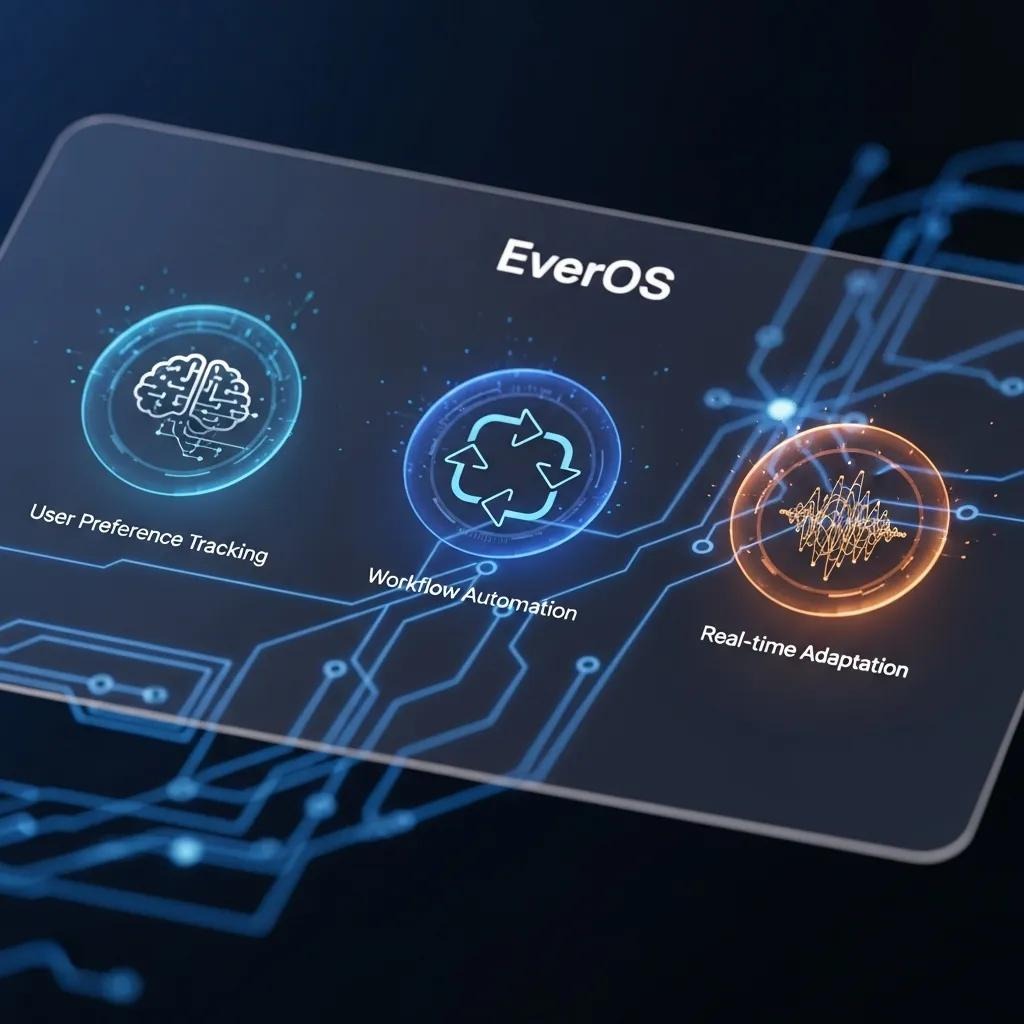
EverOS includes several key features that enhance context-aware AI assistance:
User Preference Tracking: This feature allows the AI to monitor and remember user choices over time, adapting its responses based on accumulated data.
Workflow Automation: By automating repetitive tasks, EverOS frees up time for users to focus on more critical activities, enhancing overall productivity.
Real-Time Adaptation: The system can adjust its recommendations and actions in real-time, ensuring that the assistance provided is always relevant to the user's current context.
How Does EverOS Personalize Workflows for Financial Advisors?
For financial advisors, EverOS offers tailored solutions that optimize their workflows. By remembering client preferences and past interactions, the AI can suggest relevant financial products and strategies, making the advisor's job more efficient. This personalized approach not only saves time but also enhances client satisfaction, as advisors can provide more relevant and timely advice.
What Are the Benefits of AI Remembering My Preferences?
The ability of AI to remember user preferences brings several significant benefits, particularly in professional settings. These advantages include increased productivity, enhanced user experience, and time-saving efficiencies.
Increased Productivity: By automating routine tasks and providing personalized recommendations, AI allows users to focus on higher-value activities.
Enhanced User Experience: Personalized interactions lead to greater satisfaction, as users feel understood and valued by the technology they use.
Time-Saving Benefits: With AI handling repetitive tasks and remembering preferences, users can save considerable time, allowing them to allocate resources more effectively.
How Does AI Personalization Improve Productivity and Efficiency?
AI personalization significantly boosts productivity by streamlining workflows and reducing the time spent on mundane tasks. For example, when an AI assistant remembers a user's preferred scheduling methods or communication styles, it can facilitate smoother interactions and quicker decision-making processes. This efficiency translates into more time for strategic thinking and client engagement.
This focus on efficiency and user satisfaction is echoed in studies exploring AI-driven personalized web interfaces.
Why Is Context-Aware AI Important for Professionals?
Context-aware AI is crucial for professionals as it enables them to receive assistance that is not only timely but also relevant to their specific needs. This capability ensures that the AI can provide insights and recommendations that align with the user's current situation, enhancing the overall effectiveness of their work. For instance, a financial advisor can benefit from real-time market updates tailored to their clients' portfolios, allowing for more informed decision-making.
The application of context-aware AI is particularly transformative in specialized fields, such as financial advisory, where personalized insights are paramount.
How Is Privacy Ensured When AI Remembers My Preferences?
As AI systems become more integrated into our daily lives, privacy concerns regarding data collection and usage have become increasingly important. Ensuring that user data is protected while still allowing for personalized experiences is a critical challenge for AI developers.
What Privacy Measures Protect User Data in AI Memory Systems?
AI memory systems implement several privacy measures to safeguard user data, including:
Data Encryption: Sensitive information is encrypted to prevent unauthorized access.
User Consent: Users are informed about data collection practices and must provide consent before their data is used.
Anonymization: Personal data is anonymized to protect user identities while still allowing for data analysis.
How Does EverOS Balance Personalization with Data Privacy?
EverOS takes a proactive approach to balance personalization with data privacy. By implementing robust security measures and ensuring transparency in data usage, EverOS builds trust with its users. The system allows users to manage their preferences and data sharing settings, empowering them to control how their information is used while still benefiting from personalized AI assistance.
Feature | Description | Benefit |
|---|---|---|
User Preference Tracking | Monitors user choices over time | Enhances personalization |
Workflow Automation | Automates repetitive tasks | Increases efficiency |
Real-Time Adaptation | Adjusts recommendations instantly | Ensures relevance |
This table illustrates how EverOS features contribute to a more personalized and efficient user experience, highlighting the balance between functionality and privacy.
To further explore the company's values and goals, you might want to check the Evermind AI mission statement.
In conclusion, personalized AI assistants like EverOS are transforming the way professionals work by remembering user preferences and adapting to their needs. This technology not only enhances productivity but also ensures that user data is handled with care, fostering a more efficient and secure working environment.
In an era where efficiency is paramount, personalized AI assistants have emerged as vital tools for enhancing productivity. These intelligent systems leverage advanced algorithms to remember user preferences, allowing for tailored experiences that adapt to individual needs. This article delves into how AI remembers preferences, the technology behind it, and the significant benefits it offers, particularly for professionals like financial advisors. By understanding the mechanisms of AI user preference learning, we can appreciate how these systems not only streamline workflows but also foster a more productive environment. We will explore the role of adaptive AI technology, the features of EverOS, and the importance of privacy in this context.
What Is AI User Preference Learning and How Does It Work?
AI user preference learning refers to the process by which artificial intelligence systems gather and analyze data about user behaviors and choices to create personalized experiences. This technology works by employing machine learning algorithms that identify patterns in user interactions, enabling the AI to predict future preferences and tailor responses accordingly. The result is a more intuitive and efficient user experience, as the AI can anticipate needs and streamline tasks.
How Adaptive AI Technology Models User Behavior
Adaptive AI technology utilizes various techniques, such as reinforcement learning and neural networks, to model user behavior effectively. By analyzing past interactions, these systems can adjust their responses and recommendations, enhancing user satisfaction. For instance, if a user frequently opts for specific types of content or services, the AI will prioritize similar options in future interactions, creating a seamless experience.
Research further supports the effectiveness of AI in creating highly personalized and adaptive user experiences.
What Role Do AI Memory Systems Play in Personalization?
AI memory systems are crucial for personalization as they store and retrieve user data efficiently. These systems enhance the user experience by ensuring that the AI can recall previous interactions, preferences, and feedback. This capability allows for a more coherent and context-aware interaction, making the AI assistant feel more like a personalized companion rather than a generic tool.
How Does EverOS Enable AI to Remember My Preferences?
EverOS, developed by Evermind AI, is an advanced AI operating system designed to manage personalized workflows. It integrates various features that allow the AI to remember user preferences effectively, making it particularly beneficial for professionals who require tailored assistance.
Which Features of EverOS Support Context-Aware AI Assistance?
EverOS includes several key features that enhance context-aware AI assistance:
User Preference Tracking: This feature allows the AI to monitor and remember user choices over time, adapting its responses based on accumulated data.
Workflow Automation: By automating repetitive tasks, EverOS frees up time for users to focus on more critical activities, enhancing overall productivity.
Real-Time Adaptation: The system can adjust its recommendations and actions in real-time, ensuring that the assistance provided is always relevant to the user's current context.
How Does EverOS Personalize Workflows for Financial Advisors?
For financial advisors, EverOS offers tailored solutions that optimize their workflows. By remembering client preferences and past interactions, the AI can suggest relevant financial products and strategies, making the advisor's job more efficient. This personalized approach not only saves time but also enhances client satisfaction, as advisors can provide more relevant and timely advice.
What Are the Benefits of AI Remembering My Preferences?
The ability of AI to remember user preferences brings several significant benefits, particularly in professional settings. These advantages include increased productivity, enhanced user experience, and time-saving efficiencies.
Increased Productivity: By automating routine tasks and providing personalized recommendations, AI allows users to focus on higher-value activities.
Enhanced User Experience: Personalized interactions lead to greater satisfaction, as users feel understood and valued by the technology they use.
Time-Saving Benefits: With AI handling repetitive tasks and remembering preferences, users can save considerable time, allowing them to allocate resources more effectively.
How Does AI Personalization Improve Productivity and Efficiency?
AI personalization significantly boosts productivity by streamlining workflows and reducing the time spent on mundane tasks. For example, when an AI assistant remembers a user's preferred scheduling methods or communication styles, it can facilitate smoother interactions and quicker decision-making processes. This efficiency translates into more time for strategic thinking and client engagement.
This focus on efficiency and user satisfaction is echoed in studies exploring AI-driven personalized web interfaces.
Why Is Context-Aware AI Important for Professionals?
Context-aware AI is crucial for professionals as it enables them to receive assistance that is not only timely but also relevant to their specific needs. This capability ensures that the AI can provide insights and recommendations that align with the user's current situation, enhancing the overall effectiveness of their work. For instance, a financial advisor can benefit from real-time market updates tailored to their clients' portfolios, allowing for more informed decision-making.
The application of context-aware AI is particularly transformative in specialized fields, such as financial advisory, where personalized insights are paramount.
How Is Privacy Ensured When AI Remembers My Preferences?
As AI systems become more integrated into our daily lives, privacy concerns regarding data collection and usage have become increasingly important. Ensuring that user data is protected while still allowing for personalized experiences is a critical challenge for AI developers.
What Privacy Measures Protect User Data in AI Memory Systems?
AI memory systems implement several privacy measures to safeguard user data, including:
Data Encryption: Sensitive information is encrypted to prevent unauthorized access.
User Consent: Users are informed about data collection practices and must provide consent before their data is used.
Anonymization: Personal data is anonymized to protect user identities while still allowing for data analysis.
How Does EverOS Balance Personalization with Data Privacy?
EverOS takes a proactive approach to balance personalization with data privacy. By implementing robust security measures and ensuring transparency in data usage, EverOS builds trust with its users. The system allows users to manage their preferences and data sharing settings, empowering them to control how their information is used while still benefiting from personalized AI assistance.
Feature | Description | Benefit |
|---|---|---|
User Preference Tracking | Monitors user choices over time | Enhances personalization |
Workflow Automation | Automates repetitive tasks | Increases efficiency |
Real-Time Adaptation | Adjusts recommendations instantly | Ensures relevance |
This table illustrates how EverOS features contribute to a more personalized and efficient user experience, highlighting the balance between functionality and privacy.
To further explore the company's values and goals, you might want to check the Evermind AI mission statement.
In conclusion, personalized AI assistants like EverOS are transforming the way professionals work by remembering user preferences and adapting to their needs. This technology not only enhances productivity but also ensures that user data is handled with care, fostering a more efficient and secure working environment.
You may also like these
Related

Multi-round retrieval: letting the model decide when to stop searching
multi-round retrieval,agentic retrieval,fixed top-k,injection budget,core selection,EverOS,agent memory,LoCoMo,LongMemEval,EverMemBench,SubtleMemory,multi-hop retrieval,retrieval accuracy,prompt token cost

Do public SKILL.md files actually make agents better?
SkillCorpus,SKILL.md,agent skills,skill curation,skill retrieval,LLM agents,SkillsBench,GDPVal,agent harness

CRAFT: learning how to fuse video tokens, not just which to drop
CRAFT,video token compression,vision-language models,video VLM,KV cache,prefill cost,token merging,token pruning,temporal reasoning

Self-evolving agents have a measurement problem
self-evolving agents,agent harness,HarnessBank,credit assignment,LLM agents,agent evaluation,harness optimization,significance testing
How Personalized AI Assistants Remember My Preferences to Enhance Productivity
This article delves into how AI remembers preferences, the technology behind it, and the significant benefits it offers, particularly for professionals like financial advisors.
EverMind researchers
About 3 minutes to read
EverMind
A straightforward solution to long-term coherence
Scan to join the community

Discord


© 2026 EverMind Team.
EverMind
A straightforward solution to long-term coherence
Scan to join the community
Discord
© 2026 EverMind Team.
EverMind
A straightforward solution to long-term coherence
Scan to join the community
Discord
© 2026 EverMind Team.